Before getting into the specifics, it’s worth establishing why this particular development sits at an intersection that tech audiences are positioned to understand better than most.
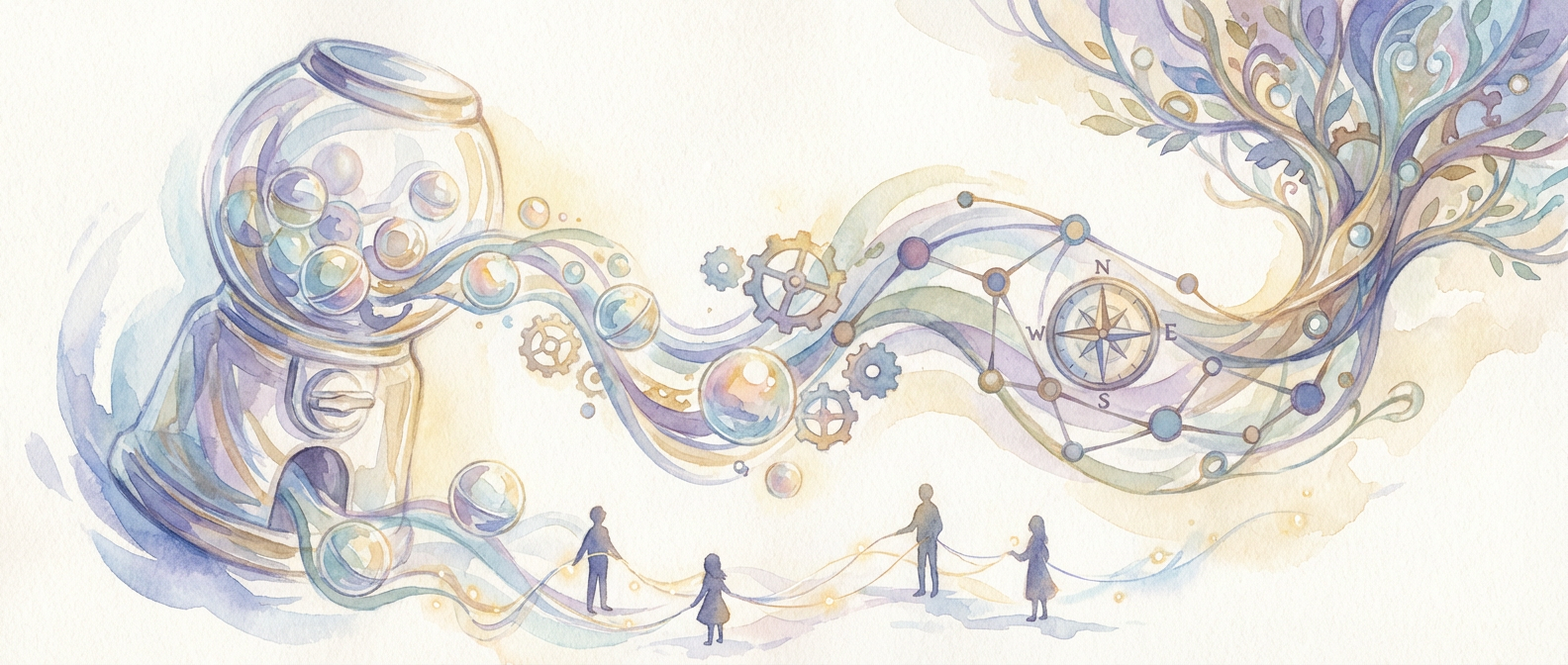
From Addiction to Engagement: A Personal Perspective
As someone who has spent more hours than I should probably admit in gacha games, I have strong opinions about where this space is heading. These opinions come from actual experience rather than just industry headlines. The transformation of gacha games from simple slot machine mechanics wrapped in anime aesthetics to sophisticated entertainment platforms has been remarkable to watch firsthand. What started as crude cash grabs have become complex experiences that understand player psychology on a level that would make traditional game designers envious.
The evidence here is worth looking at carefully. The question worth asking first: why does this matter specifically now?
The numbers tell a sobering story about player retention in this space. Most gacha games keep only about 15 percent of their initial players engaged beyond the first month. This harsh reality has forced developers to think beyond the initial hook and consider what makes players stick around for months or years. The survivors in this competitive space are the games that have figured out sustainable engagement rather than quick monetization.
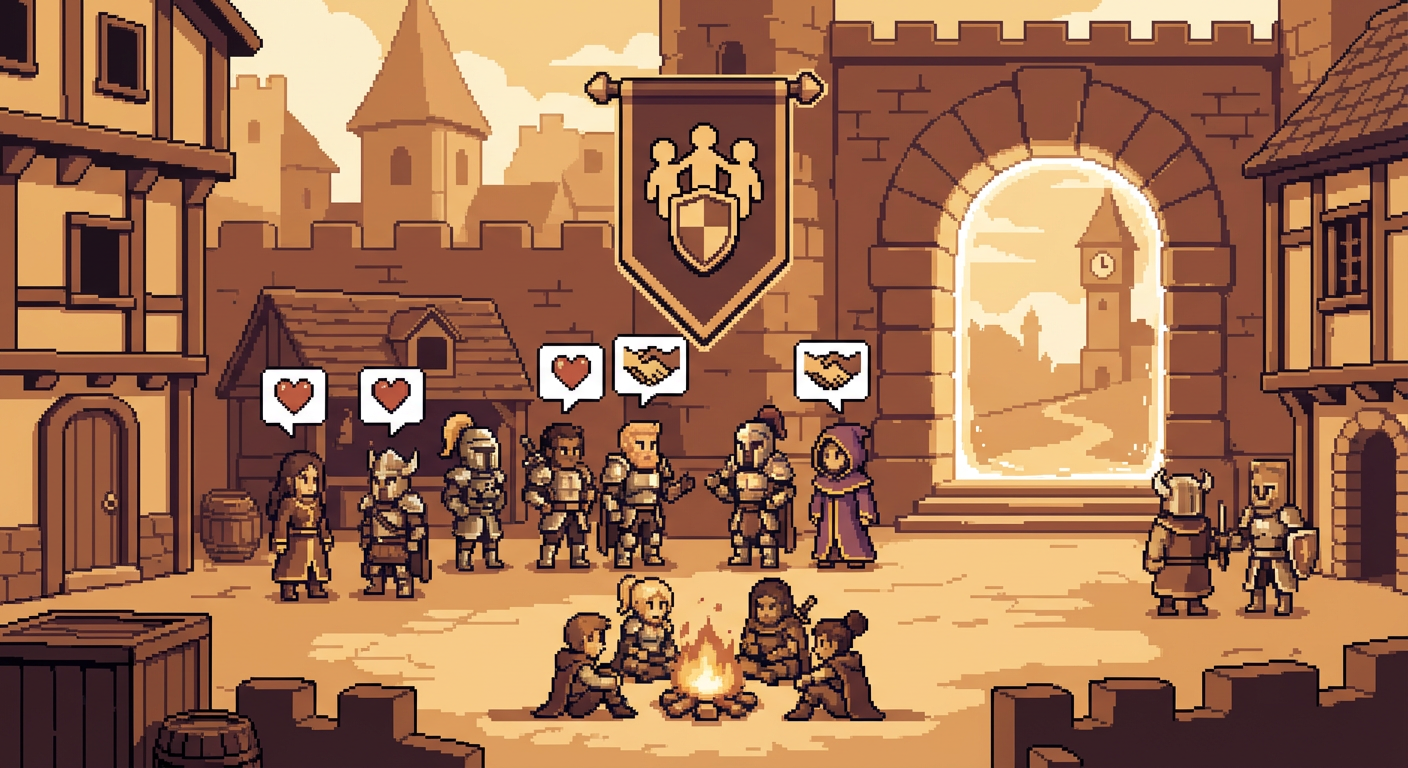
The Daily Ritual: Building Habits Through Consistency
Daily login rewards are the foundation of player retention strategy in successful gacha games. These systems work because they turn playing into a habit rather than just entertainment. The psychological principle is straightforward: when players establish a routine of checking in every day, the game becomes part of their daily rhythm. Smart developers understand that the reward itself matters less than the consistency of the interaction.
Event rotations are the natural evolution of this concept, providing fresh content that gives meaning to those daily check-ins. Rather than simply collecting login bonuses, players have new challenges, stories, or limited-time content to explore. The key insight here is that events must feel meaningful without becoming overwhelming. The most successful games create a steady drumbeat of new experiences that respect player time while maintaining engagement.
This approach has proven more sustainable than the aggressive monetization tactics that characterized early gacha games. Players appreciate when developers respect their schedules and create systems that accommodate different play styles. The Game Developer analysis of retention metrics consistently shows that games with player-friendly daily systems outperform those that demand constant attention.
Narrative as the New Differentiator
Story quality has emerged as perhaps the most significant factor separating memorable gacha games from the forgettable masses. Players today expect more than just collection mechanics wrapped in flashy graphics. They want characters they can connect with, worlds they want to explore, and narratives that justify their emotional and financial investment in the game.
The most successful gacha games now rival traditional JRPGs in their storytelling ambitions. These games understand that strong narrative creates emotional attachment, which translates directly into player retention. When players care about what happens next in the story, they return not just for rewards but for resolution. This emotional investment proves far more durable than any mechanical hook.
Character development within these narratives has a dual purpose. Well-written characters make the gacha collection aspect feel meaningful rather than arbitrary. Players pull for new characters not just because of their gameplay utility but because they want to learn more about their stories and see how they interact with established cast members. This narrative integration transforms what could be mindless collecting into purposeful engagement.
Reducing Friction While Maintaining Connection
Auto-play features are one of the most elegant solutions to the modern player’s time constraints. These systems acknowledge that many players cannot dedicate hours to active grinding but still want to progress in their favorite games. By automating repetitive tasks while preserving meaningful decision points, developers can maintain engagement without demanding constant attention.
The implementation of auto-play requires careful balance. Too much automation and the game plays itself, removing any sense of agency or accomplishment. Too little and busy players feel left behind by more dedicated competitors. The sweet spot involves automating the tedious while preserving the strategic and narrative elements that make games engaging.
Social features and guild systems extend this philosophy by creating connections that transcend individual play sessions. When players form friendships and join communities within games, they gain reasons to return that go beyond personal progression. Guild activities, cooperative events, and social spaces transform solitary gaming experiences into shared endeavors that naturally encourage long-term engagement.
The Psychology of Limited-Time Events
Limited-time events walk a delicate line between creating healthy urgency and crossing into predatory territory. The most successful implementations focus on providing unique experiences rather than simply gating essential content behind time constraints. Players should feel excited about special events, not anxious about missing out on core game features.
These events work best when they offer something genuinely special: unique storylines, exclusive characters, or novel gameplay mechanics that cannot be experienced elsewhere. The urgency comes from wanting to participate in something unique, not from fear of being permanently disadvantaged. This approach builds positive associations with events rather than resentment toward developers.
The feedback loop between players and developers has become increasingly important in shaping these experiences. Social media platforms allow direct communication between players and development teams, creating opportunities for real-time adjustment of event design. Games that actively listen to player concerns and adjust their approaches accordingly build trust that extends far beyond any individual event.
Building Sustainable Communities
The most successful gacha games have evolved beyond simple entertainment products into platforms for ongoing community engagement. These games understand that their longevity depends not just on individual player retention but on healthy communities that support and sustain themselves over time.
Developer transparency plays a crucial role in this community building. When developers share their roadmaps, acknowledge player concerns, and explain their design decisions, they create a sense of partnership rather than exploitation. Players become stakeholders in the game’s success rather than simply sources of revenue. The insights shared in GDC vault design talks consistently emphasize this collaborative approach as essential for long-term success.
The future of gacha game design lies in this balance between business sustainability and player satisfaction. The games that thrive will be those that create genuine value for players while maintaining viable business models. This requires understanding that player retention ultimately depends on respect: respect for player time, respect for player intelligence, and respect for the communities that form around these shared experiences.
For more on mobile gaming, gacha culture, and where the industry is heading, metatrend.app covers this space with the depth it deserves.
If you work in or around this space, the practical implications are worth mapping against your current tooling and roadmap. Bookmark this for your next architecture review.